
A Psicologia das Massas e o fenômeno das seitas religiosas: uma análise freudiana – como a identificação com o líder e a perda da individualidade moldam a devoção cega e suas consequências trágicas
Palavras-chave:
Psicologia das massas; Freud; Religião; Seitas; Liderança; Identificação.Resumo
RESUMOO artigo analisa o fenômeno das seitas religiosas a partir da teoria freudiana da Psicologia das Massas e Análise do Eu (1921), discutindo os mecanismos inconscientes que sustentam a coesão grupal, a identificação com o líder e a consequente perda da individualidade. A autora relaciona a dinâmica libidinal e a pulsão de morte às manifestações de devoção cega e à regressão psíquica observadas em grupos sectários. São analisados casos emblemáticos de líderes religiosos (Jim Jones, Osho, João de Deus etc.) e contrastada a visão freudiana com a noção de “tribos” de Seth Godin, do marketing digital, como exemplo de liderança saudável e participativa. O texto propõe uma reflexão sobre liderança ética, pensamento crítico e saúde coletiva frente à manipulação emocional de massas religiosas.
Referências
REFERÊNCIAS
Freud, S. (1921/2013). Psicologia das massas e análise do eu (Coleção L&PM Pocket, Vol. 1106). L&PM.
Kahn, M. (2013). Freud básico: Pensamentos psicanalíticos para o século XXI. BestBolso.
Godin, S. (2013). Tribos: Nós precisamos que você nos lidere. Alta Books.
Chapman, C., & Maclain, M. (Produtores & Diretores). (2018). Wild wild country [Documentário]. Netflix.
Netflix. (2023). Como se tornar um líder de seita [Série documental]. Netflix.
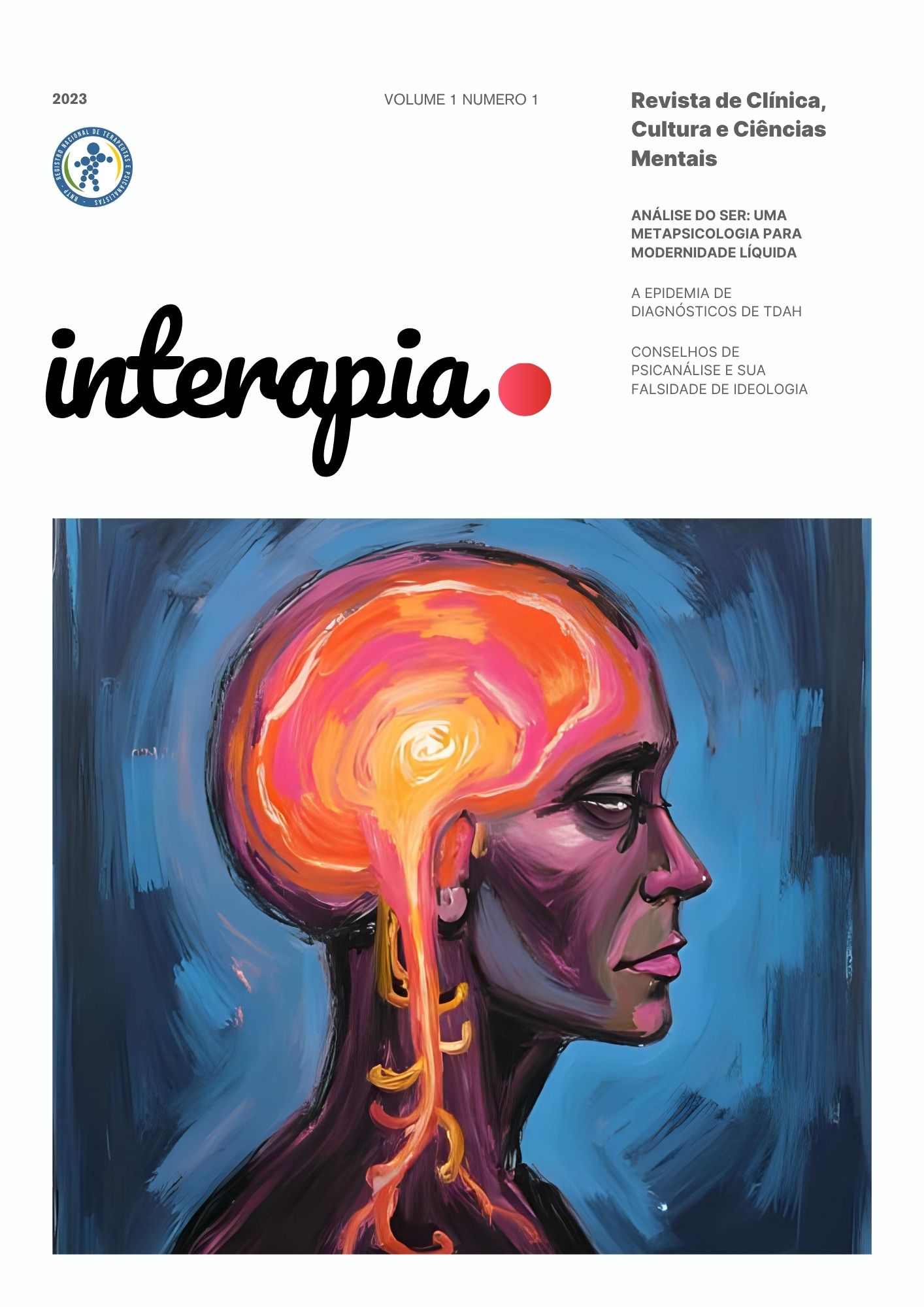
Publicado
Declaração de Disponibilidade de Dados
A autora mantém os direitos e concede à Revista Interapia o direito de primeira publicação sob licença Creative Commons CC BY-NC 4.0.
Edição
Seção
Categorias
Licença

Este trabalho está licenciado sob uma licença Creative Commons Attribution-NonCommercial 4.0 International License.
Termos da Licença
Todos os artigos publicados na Interapia – Revista de Clínica, Cultura e Ciências Mentais estão licenciados sob a:
Licença Creative Commons Atribuição-NãoComercial 4.0 Internacional (CC BY-NC 4.0)
Isso significa que os autores mantêm os direitos autorais sobre suas obras e concedem à revista o direito exclusivo de primeira publicação, permitindo que terceiros compartilhem, distribuam e reutilizem o conteúdo, desde que:
Seja atribuída autoria apropriada, com citação clara da revista e dos autores;
O uso seja exclusivamente não comercial;
Em caso de adaptações ou transformações, a fonte original seja igualmente mencionada.
É expressamente vedado o uso comercial do conteúdo sem autorização prévia e por escrito dos autores e da equipe editorial da revista.
Citação recomendada:
SOBRENOME, Nome. Título do artigo. Interapia – Revista de Clínica, Cultura e Ciências Mentais, v. X, n. Y, p. XX–XX, mês/ano.
Disponível em: [link para o artigo].
Licenciado sob CC BY-NC 4.0.